Introdução
As minas subterrâneas exigem uma transmissão de dados estável para apoiar o monitoramento da segurança, sistemas de automação, sistemas de controlo de tráfego e sistemas de controlo de tráfego.e coordenação operacionalNo entanto, as condições adversas, como a elevada umidade, a pressão mecânica, o pó e os potenciais riscos de incêndio, representam sérios desafios para os cabos de comunicação tradicionais.
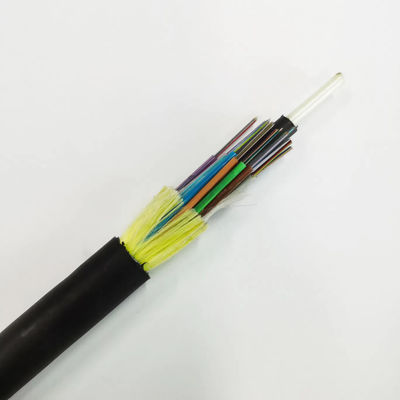
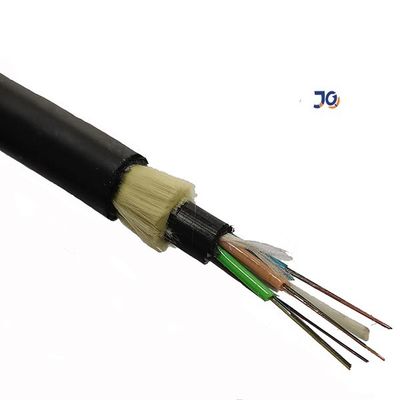
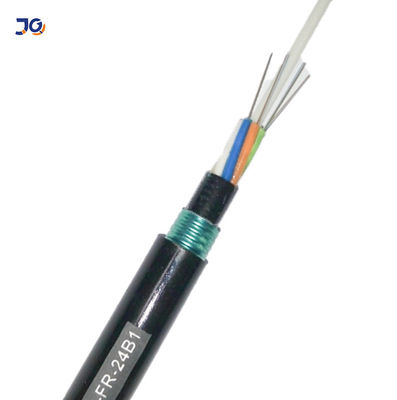
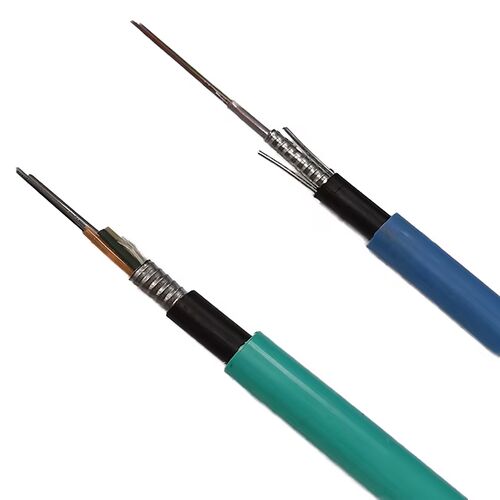
Cabos de fibra óptica MGXTSVÉ especificamente concebido para ambientes de mineração, com materiais ignífugos e blindagem de arame de aço para garantir a fiabilidade a longo prazo.Este estudo de caso demonstra como o cabo MGXTSV foi implantado com êxito numa rede de comunicação de mineração subterrânea para melhorar a segurança e a eficiência operacional.
Antecedentes do projeto
Uma grande mina de carvão subterrânea necessitou de uma actualização da sua infra-estrutura de comunicação para apoiar:
- Monitorização ambiental em tempo real
- Vigilância por vídeo de alta definição
- Sistemas de controlo da segurança das minas
- Transmissão de dados entre túneis subterrâneos e salas de controlo de superfície
A rede de comunicação baseada em cobre existente sofria de interferência de sinal, largura de banda limitada e danos freqüentes causados por condições subterrâneas adversas.
Para resolver estes problemas, a equipa de engenheiros decidiu implantarCabos de fibra óptica blindados MGXTSVcomo a espinha dorsal do novo sistema de comunicação subterrânea.
Desafios nos ambientes de mineração subterrânea
A implantação de cabos de comunicação nas minas apresenta vários desafios técnicos:
Estresse mecânico extremo
Os túneis de mineração geralmente sofrem com o movimento de equipamentos pesados e pressão do solo, o que pode danificar os cabos convencionais.
Alta umidade e exposição à água
Os ambientes subterrâneos contêm frequentemente umidade e vazamento de água, aumentando o risco de degradação dos cabos.
Riscos de incêndio e segurança
As minas de carvão podem conter gases inflamáveis e poeira de carvão, exigindo cabos comPropriedades ignífugaspara cumprir as normas de segurança.
Danos causados por roedores e abrasão
Os roedores e as superfícies ásperas dentro dos túneis podem danificar os cabos, levando a falhas de comunicação.
Estes desafios exigiram uma solução de cabos comalta durabilidade, proteção forte e desempenho de transmissão confiável.
Solução de cabos de fibra óptica MGXTSV
A equipa de engenheiros seleccionadaCabos de fibra óptica de modo único MGXTSV de 24 núcleos (G652D)como o principal meio de comunicação.
Principais especificações técnicas
- Tipo de fibra: modo único G652D
- Número de fibras: 24 núcleos
- Armaduras: Armaduras de arame de aço
- Vestuário exterior: revestimento ignífugo de qualidade mineira
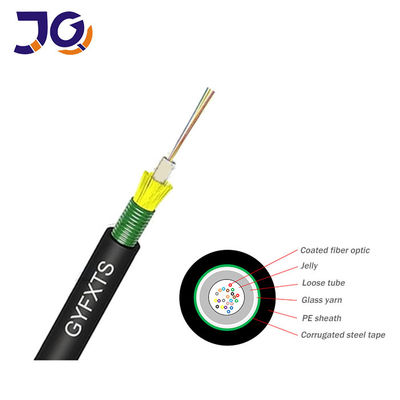
- Estrutura: tubo solto cheio de gel bloqueador de água
- Tipo de instalação: instalação da parede do túnel e da bandeja de cabos
Este projeto forneceu a resistência mecânica necessária e a proteção ambiental necessária para aplicações de mineração subterrânea.
Processo de implantação
1Planeamento da rede
Os engenheiros projetaram umrede de backbone de fibra ópticaConectando as estações de monitoramento subterrâneas, as salas de controlo de equipamento e o centro de comando de superfície.
A rede incluiu:
- Cabo principal ao longo do túnel principal
- Conexões de sucursal com estações de monitorização
- Caixas de distribuição de fibras nos principais nós
2Instalação de cabos
Os cabos MGXTSV foram instalados utilizando vários métodos dependendo do traçado do túnel:
- Instalação fixa ao longo das paredes dos túneis
- Caixas de cabos em corredores de equipamento
- Condutas de protecção em zonas de alto tráfego
A blindagem de arame de aço forneceu uma excelente proteção durante a instalação e a operação de longo prazo.
3. Integração do sistema
A rede de fibra óptica foi integrada com:
- Sistemas de monitorização do gás
- Câmaras de vigilância subterrâneas
- Sensores de monitorização ambiental
- Terminadores de comunicação para mineiros
Isto criou umarede de comunicação e monitorização de minas totalmente integrada.
Resultados de desempenho
Após a implantação do cabo de fibra óptica MGXTSV, a empresa de mineração alcançou melhorias significativas na confiabilidade da rede e na eficiência operacional.
Melhoria da estabilidade da rede
A rede de fibra óptica eliminou interferências eletromagnéticas e manteve a comunicação estável em longas distâncias subterrâneas.
Reforço do controlo da segurança
Dados em tempo real de detectores de gás e sensores ambientais agora poderiam ser transmitidos instantaneamente para o centro de controle da superfície.
Redução dos custos de manutenção
A estrutura de cabos MGXTSV blindada reduziu significativamente a frequência de danos e manutenção dos cabos.
Comunicação de banda larga
A rede de fibra suportou o monitoramento de vídeo de alta definição e a transmissão de grandes volumes de dados necessários para as operações de mineração modernas.
Por que o cabo de fibra óptica MGXTSV é ideal para projetos de mineração
Este caso de implantação demonstra por que os cabos MGXTSV são amplamente utilizados em sistemas de comunicação de mineração subterrânea:
- A armadura de arame de aço fornece excelente proteção mecânica
- O revestimento exterior retardador de chama melhora a segurança das minas
- A estrutura de bloqueio de água protege as fibras em ambientes úmidos
- Forte resistência aos roedores e à abrasão
- Transmissão óptica de alta velocidade de longa distância
Estas características tornam o cabo de fibra óptica MGXTSV umsolução fiável para redes de comunicação subterrâneas de missão crítica.
Conclusão
A implantação bem-sucedida do cabo de fibra óptica MGXTSV neste projeto de mineração subterrânea destaca a sua eficácia em ambientes desafiadores.Substituindo a infra-estrutura de comunicação tradicional por um cabo de fibra óptica blindado, a empresa de mineração melhorou significativamenteEstabilidade da rede, eficiência operacional e capacidades de monitorização da segurança.
À medida que as operações de mineração continuam a adoptar tecnologias digitais, a infra-estrutura de fibra óptica desempenhará um papel fundamental nasistemas de mineração inteligentes, automação e monitorização em tempo real.
O cabo de fibra óptica MGXTSV fornece a durabilidade, segurança e desempenho necessários para essas exigentes aplicações subterrâneas.


 Por favor verifique seu email!